
Introduction
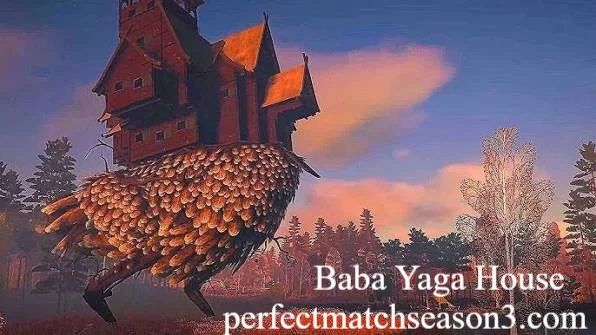
Picture a small wooden hut standing deep in a dark forest. Now picture that hut standing up and walking away on two giant chicken legs. That is the baba yaga house, and once you hear about it, you never quite forget it.
This strange structure comes from old Slavic folklore, and it belongs to a witch named Baba Yaga. She is one of the most fascinating characters in Eastern European storytelling. Her house is not just a building. It is alive, it moves, and it guards secrets that most fairy tales never fully explain.
In this article, you will learn what the baba yaga house actually is, where the legend comes from, what it symbolizes, and why it still shows up in movies, games, and art today. You will also find quick answers, simple tables, and a full FAQ section so you can skim through everything fast.
What Is The Baba Yaga House Exactly?
The baba yaga house is a wooden hut described in Slavic fairy tales as standing on giant chicken legs. It can turn, walk, and even run through the forest on its own.
You will often see it described with these features:
- It stands on two chicken legs instead of a foundation
- It spins around when someone approaches
- It has no visible door until you say the right words
- It sits deep inside a dark, unmarked forest
- It belongs to Baba Yaga, a powerful and dangerous witch
People sometimes call it the chicken leg hut or the walking witch house. All these names point to the same magical structure.
Where Does The Baba Yaga House Legend Come From?
The baba yaga house legend comes from old Russian and Slavic oral traditions. Storytellers passed these tales down for generations before they were ever written.
Folklorists believe Baba Yaga herself may represent an ancient forest spirit or guardian of the dead. Her hut acts as a boundary between the world of the living and the world of spirits. That is why the house never stays still. It protects a threshold that should not be crossed easily.
Researchers studying Slavic mythology often point out that the hut on chicken legs mirrors old burial structures once built on wooden posts in Russian forests. Seen from a distance, these raised burial huts could easily look like they stood on legs, which may explain how the image took root in folklore.
Why Does The Baba Yaga House Stand On Chicken Legs?
This is one of the most common questions people ask, so here is a short direct answer first.
The baba yaga house stands on chicken legs because it symbolizes a living threshold between life and death, and it reflects real wooden burial huts that ancient Slavic tribes built on raised posts.
Here is a simple breakdown of the main theories:
| Theory | What It Suggests |
|---|---|
| Burial hut theory | The house mirrors real raised tombs built for the dead |
| Guardian theory | The legs let the house guard and control who enters the forest |
| Spirit world theory | The house acts as a living gate between two worlds |
| Animal spirit theory | Chickens symbolized fertility and protection in old Slavic belief |
I find the burial hut theory the most convincing one. Once you picture a wooden structure raised on stilts in the middle of a foggy forest, it is easy to imagine why old storytellers turned it into something that walks.
How Does The Baba Yaga House Behave In The Stories?
The baba yaga house does not act like a normal home. In most versions of the tale, it behaves almost like a character of its own.
Common traits include the following:
- It spins in place until a visitor says a special phrase
- It only opens its door when facing away from the forest
- It can run through the woods if Baba Yaga commands it
- It sometimes helps or warns the hero, depending on the story
- It always returns to stillness once the visit ends
Many versions use the same magic line to make the house turn. Translated loosely, visitors ask the hut to turn its back to the forest and its front to them. This detail shows up again and again across different regions, which tells you how deeply the image stuck in cultural memory.
Baba Yaga House In Modern Pop Culture
The baba yaga house did not stay locked inside old storybooks. It walked straight into modern entertainment.
You can spot references to it in the following places:
- Video games such as The Witcher series, which draws heavily on Slavic folklore
- Animated films inspired by Eastern European fairy tales
- Fantasy novels that borrow the witch and her walking hut as inspiration
- Theme park attractions in Eastern Europe built to resemble the hut
- Tourist replicas in Russia and Ukraine where visitors can see wooden chicken leg huts built for photos
Game designers and fantasy writers often mention Baba Yaga as one of the richest folklore figures to pull from, since her house alone gives them a built in sense of mystery and danger. That reputation keeps the legend fresh with every new generation of fans.
What Does The Baba Yaga House Symbolize?
At its core, the baba yaga house represents transformation. Anyone brave enough to reach it usually leaves changed, whether they gain wisdom, treasure, or a hard lesson.
Here are the main symbols tied to the house:
- A gateway between the ordinary world and the supernatural one
- A test of courage and respect for nature
- A warning against greed or rudeness toward strangers
- A symbol of feminine power that cannot be controlled by outsiders
You could say the baba yaga house is less about scaring people and more about testing them. That shift in meaning is part of why the story still feels relevant today.
Quick Facts Table
| Detail | Information |
|---|---|
| Origin | Slavic and Russian folklore |
| Owner | Baba Yaga, a forest witch |
| Main feature | Stands and walks on chicken legs |
| Symbol | Threshold between life and death |
| Modern presence | Games, films, theme attractions |
Final Thoughts
The baba yaga house is far more than a spooky detail in an old fairy tale. It carries centuries of belief about death, nature, and the price of curiosity. Every time the hut spins in a story, it reminds readers that some doors only open for those who show respect.
If this legend caught your attention, you are not alone. Millions of readers and gamers still search for the meaning behind the baba yaga house every year, and new retellings keep appearing across books, films, and art.
What do you think the baba yaga house really represents? Share your thoughts, or pass this story along to a friend who loves folklore as much as you do.
Frequently Asked Questions
What is a baba yaga house? A baba yaga house is a wooden hut from Slavic folklore that stands and walks on giant chicken legs, owned by the witch Baba Yaga.
Is the baba yaga house real? No, the baba yaga house is a folklore legend, though real wooden replicas exist as tourist attractions in parts of Eastern Europe.
Why does the baba yaga house stand on chicken legs? It likely symbolizes a threshold between the living and the dead, and it may be inspired by real raised burial huts from ancient Slavic tribes.
What country does the baba yaga house legend come from? The legend comes mainly from Russia and other Slavic regions in Eastern Europe.
Does the baba yaga house appear in any video games? Yes, it appears in several fantasy games, most notably in titles inspired by Slavic mythology such as The Witcher series.
What is inside the baba yaga house? Stories usually describe a small, dark interior where Baba Yaga cooks, spins thread, or tests visitors with riddles and tasks.
How do you open the door of the baba yaga house? In the tales, visitors must speak a special phrase asking the hut to turn its back to the forest and face them directly.
Is Baba Yaga always evil in these stories? Not always. She often helps heroes who show respect, while punishing those who are rude or greedy.
perfectmatchseason3.com
Email: johanharwen314@gmail.com
Author Name: Hamid Ali
About The Author: Hamid Ali is a content writer who enjoys exploring folklore, mythology, and cultural history from around the world. He focuses on turning old legends like the baba yaga house into clear, engaging stories that modern readers can easily understand and enjoy.