
Introduction
Your chest feels tight, your phone feels heavy, and you keep replaying the last conversation on a loop. If this sounds familiar, you are already living through one of the stages of a breakup, even if nobody warned you it would feel this messy. Breakups do not follow a neat script, but they do follow a pattern that psychologists have studied for decades. Understanding the stages of a breakup will not erase the pain, yet it gives you something priceless: a map. In this article, you will learn what each stage actually feels like, how long it usually lasts, what experts say about healing, and simple steps you can take today to move forward with a little more peace.
What Are the Stages of a Breakup?
The stages of a breakup describe the emotional journey people go through after a relationship ends. They are loosely based on the famous five stages of grief model created by psychiatrist Elisabeth Kubler Ross, later adapted by relationship researchers to fit heartbreak specifically. You will not move through these stages in a straight line. Most people bounce between them, sometimes in the same day.
Knowing the stages of a breakup helps you answer one important question: is what I am feeling normal? In almost every case, the answer is yes.
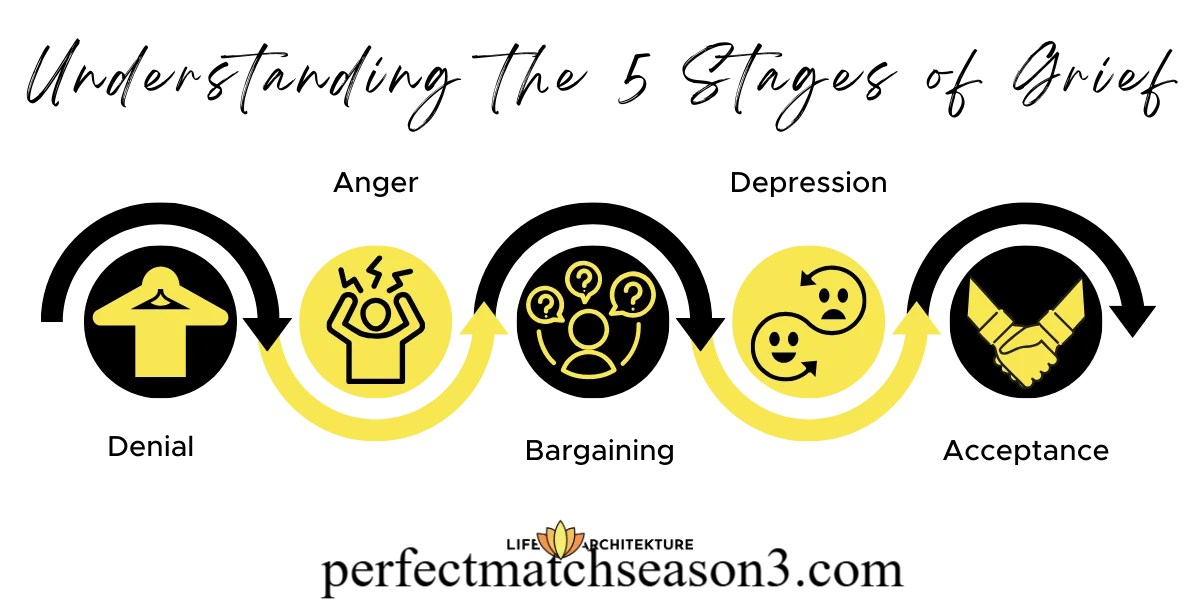
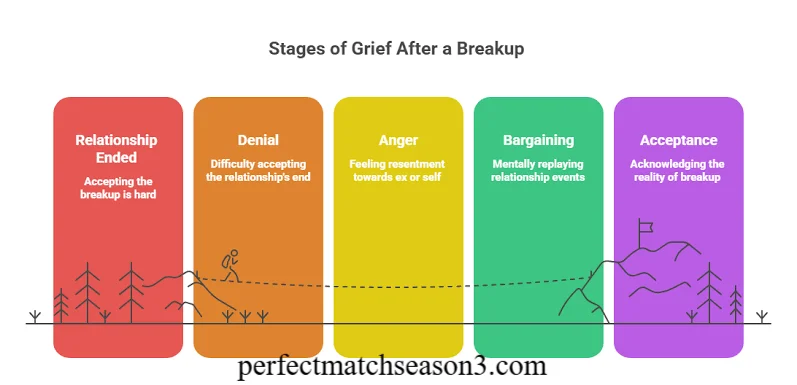
The 5 Stages of a Breakup Explained
1. Denial
Right after the split, your brain tries to protect you by rejecting reality. You might tell yourself it was a mistake, that your ex will call, or that things will magically go back to normal. This is the first of the stages of a breakup, and it usually feels like numbness rather than sadness.
2. Anger
Once denial fades, anger often takes over. You may feel furious at your ex, at yourself, or even at friends who saw it coming. This stage of a breakup can bring intense mood swings and a strong urge to vent or seek revenge.
3. Bargaining
In this phase you replay every fight in your head, wondering what you could have said differently. You might send a message asking for another chance or promise to change. Bargaining is one of the more painful stages of a breakup because hope and heartbreak collide at the same time.
4. Depression
This is often the heaviest of all the stages of a breakup. Sleep gets disrupted, appetite changes, and everyday tasks feel exhausting. It is important to note that situational sadness after heartbreak is common and usually temporary, though it should never be ignored if it feels overwhelming.
5. Acceptance
Finally, you reach a point where the pain softens into perspective. You start making plans again, laughing without guilt, and picturing a future that does not revolve around your ex. Acceptance does not mean you forget the relationship. It simply means the stages of a breakup have run their natural course.
How Long Do the Stages of a Breakup Last?
There is no single timeline that fits everyone. Relationship length, attachment style, and support system all play a role. Here is a general guide based on common patterns therapists observe.
| Stage | Typical Duration | Common Feelings |
|---|---|---|
| Denial | A few days to two weeks | Shock, numbness, disbelief |
| Anger | One to three weeks | Frustration, resentment, restlessness |
| Bargaining | One to two weeks | Regret, hope, confusion |
| Depression | Three to eight weeks | Sadness, low energy, isolation |
| Acceptance | Ongoing after two to three months | Calm, clarity, renewed focus |
Many relationship researchers agree that most people start feeling noticeably better around the three month mark, though deeper emotional healing can take six months or longer for long term relationships.
Common Questions People Ask During the Stages of a Breakup
Is it normal to feel multiple stages in one day?
Yes. The stages of a breakup are not linear. You can feel angry in the morning and deeply sad by evening. This back and forth is a normal part of processing loss.
Can you skip a stage of a breakup?
Some people move through certain stages quickly, especially if the relationship was short or unhealthy. Skipping a stage entirely is less common, but the intensity of each one can vary a lot from person to person.
Why do the stages of a breakup feel physical?
Heartbreak activates the same brain regions linked to physical pain. That tight chest or upset stomach you feel is a real physiological response, not just an emotional one.
Signs You Are Moving Through the Stages of a Breakup
You can usually tell you are progressing when you notice these shifts:
- You think about your ex less often during the day
- Your sleep and appetite start returning to normal
- You feel curious about new hobbies or people again
- You can talk about the relationship without crying every time
- You stop checking their social media out of habit
If you notice these signs slowly appearing, you are moving through the stages of a breakup in a healthy way, even if progress feels slow.
Expert Tips to Cope With Each Stage
Relationship therapists consistently recommend a few core habits that support healing, no matter which stage you are in.
- Name the stage you are in. Simply saying, I am in the anger stage right now, creates emotional distance and reduces reactivity.
- Move your body daily. Even a short walk releases tension and improves mood during the depression stage.
- Limit contact with your ex. A short no contact period, often thirty days, gives your brain space to reset.
- Talk to someone you trust. Whether it is a close friend or a licensed counselor through platforms like BetterHelp or Talkspace, verbalizing your feelings speeds up processing.
- Journal your progress. Writing down how you feel each week creates a visible record of healing that pure memory cannot give you.
I have personally found that writing down one small win each day, even something as simple as getting out of bed on time, made the depression stage feel less endless. Small proof of progress matters more than people expect.
Why Understanding the Stages of a Breakup Matters
When you know what stage you are in, you stop panicking about your emotions and start managing them. This shift alone reduces anxiety significantly. Studies on grief and loss consistently show that people who understand the emotional process they are going through report lower distress levels than those who feel blindsided by their own feelings. The stages of a breakup are not a life sentence. They are a temporary process with a clear end point.
Conclusion
Heartbreak is one of the most universal human experiences, yet it always feels deeply personal when you are living through it. By recognizing the stages of a breakup, from denial all the way to acceptance, you give yourself permission to feel every emotion without judging it. Healing is rarely a straight path, but it is always a path forward. If you are in the middle of it right now, be patient with yourself today. Which stage are you currently navigating? Share your experience with someone you trust, and remember that acceptance is closer than it feels.
Frequently Asked Questions
How many stages of a breakup are there? Most experts describe five main stages: denial, anger, bargaining, depression, and acceptance.
What is the hardest stage of a breakup? Depression is usually reported as the hardest stage because it lasts the longest and affects daily energy and motivation the most.
How do I know if I am stuck in a stage of a breakup? If weeks pass with no change in mood, sleep, or interest in daily life, you may be stuck, and speaking with a therapist can help you move forward.
Do men and women go through the stages of a breakup differently? Research suggests men often take longer to reach acceptance internally, while women tend to process emotions more openly and earlier.
Can therapy speed up the stages of a breakup? Yes, structured support from a therapist often helps people move through each stage with more clarity and less prolonged distress.
Is it okay to stay friends during the stages of a breakup? Most experts recommend waiting until you reach the acceptance stage before attempting friendship, since earlier stages can reopen emotional wounds.
What helps most during the depression stage of a breakup? Consistent routine, light exercise, sunlight exposure, and social connection are the most commonly recommended remedies.
How long until the stages of a breakup fully end? For most people, the core emotional stages resolve within two to three months, though full closure can take longer depending on relationship depth.
perfectmatchseason3.com
Email: johanharwen314@gmail.com
Author Name: Hamid Ali
About the Author: Hamid Ali is a relationship and wellbeing writer who focuses on making emotional psychology practical and easy to understand. He writes about heartbreak, self growth, and mental wellness with the goal of helping readers feel less alone during difficult transitions.