
Introduction
Is .300 Blackout actually worth the hype, or is it just another trendy caliber? If you have spent any time browsing gun forums or standing at a counter, you have probably heard someone praise it and someone else call it overrated in the same breath. That mixed reaction is exactly why so many shooters want a clear answer.
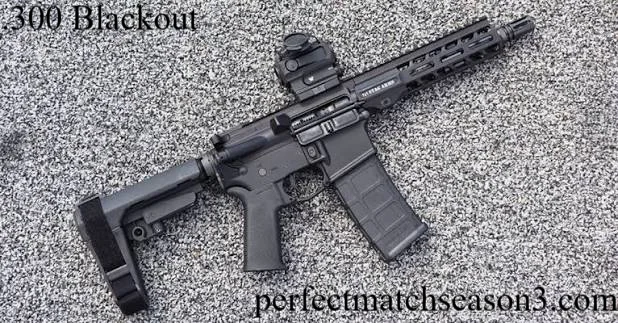
The .300 Blackout, often written as .300 BLK, is a rifle cartridge built specifically for the AR15 platform. It was designed to solve a real problem. Shooters wanted a round that worked well with suppressors, hit harder than 5.56 at close range, and still fed reliably through standard AR magazines.
This guide breaks down everything you need to know. You will learn what .300 Blackout is, how it performs, who it is best for, and how it stacks up against other popular calibers. We will also answer the most common questions people search for, so you get straight answers without wading through fluff.
What Is .300 Blackout Exactly?
.300 Blackout is a rifle cartridge developed by Advanced Armament Corporation in 2010. It uses a 5.56 casing that has been cut down and necked up to fit a larger 30 caliber bullet.
The main goal was simple. Engineers wanted a round that could run subsonic loads quietly through a suppressor while still cycling a standard AR15 bolt carrier group. Regular 5.56 struggles to do that well, and this is where .300 Blackout stepped in.
Here are the key facts about this cartridge.
- Caliber: .30 (7.62mm)
- Case length: 1.368 inches
- Typical bullet weight: 110 to 220 grains
- Magazine compatibility: Standard AR15 magazines
- Best barrel length: 9 to 16 inches
Why Was .300 Blackout Created?
Special operations units needed a round that could switch between supersonic and subsonic ammunition without changing weapons or magazines. The .300 Blackout answered that need perfectly.
Civilian shooters quickly noticed the benefits too. Hunters liked the added power for hogs and deer. Home defense shooters liked the reduced noise and strong stopping power in short barrels. Suppressor enthusiasts loved that subsonic loads paired beautifully with a can.
.300 Blackout Ballistics Explained
Numbers tell the real story better than opinions do. Below is a simple comparison of common .300 Blackout loads.
| Load Type | Bullet Weight | Muzzle Velocity | Best Use |
|---|---|---|---|
| Supersonic | 110 to 125 grain | 2100 to 2350 fps | Hunting, self defense |
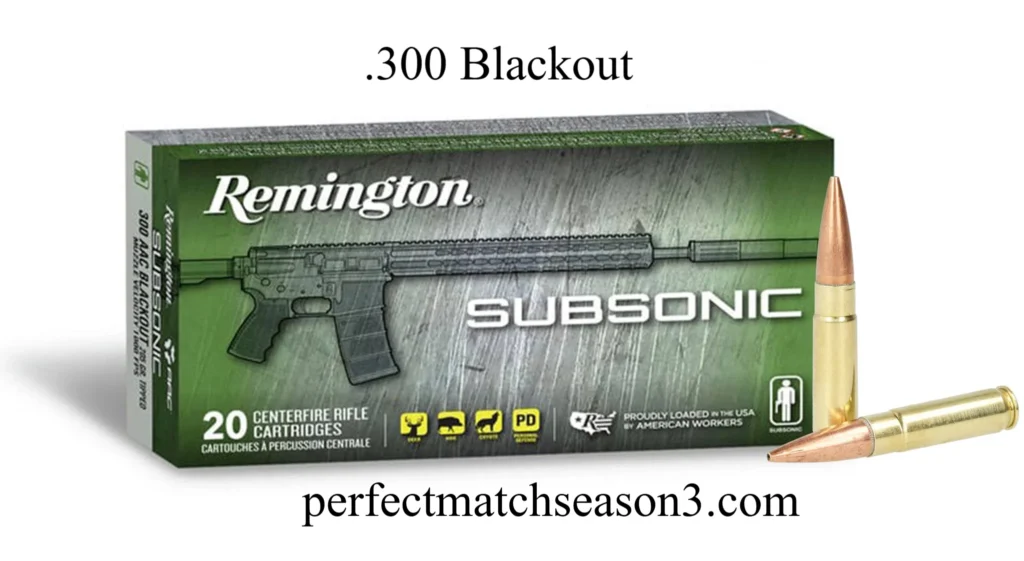
| Subsonic | 190 to 220 grain | 1000 to 1050 fps | Suppressed shooting |
| Match | 125 grain | 2200 fps | Precision target work |
Supersonic loads deliver noticeable stopping power out to about 300 yards. Subsonic loads trade distance for a whisper quiet shot when paired with a suppressor. This flexibility is the biggest reason shooters choose .300 Blackout over other options.
.300 Blackout vs 5.56 NATO
This comparison comes up constantly, so let us settle it clearly.
- Recoil: .300 Blackout has slightly more recoil, but it stays manageable.
- Barrel length: .300 Blackout performs well even in barrels under 10 inches, while 5.56 loses significant velocity in short barrels.
- Suppressor use: .300 Blackout wins easily thanks to subsonic loads.
- Range: 5.56 holds an advantage past 300 yards.
- Ammo cost: 5.56 is cheaper and more widely available.
If you want a quiet, hard hitting short barrel rifle, .300 Blackout is the smarter pick. If long range shooting and low ammo cost matter more to you, 5.56 still makes sense.
.300 Blackout vs 7.62×39
Many shooters compare this cartridge to the classic AK round as well.
7.62×39 slightly edges out .300 Blackout in raw supersonic power and ammo price. However, .300 Blackout fits AR magazines natively, feeds more reliably in AR platforms, and offers far better subsonic performance. For AR shooters, .300 Blackout is simply the more practical choice.
Best Uses For .300 Blackout
I have talked to hunters and shooting instructors who all point to a few standout uses for this round.
- Hog and deer hunting inside 150 yards
- Home defense with a short barrel rifle
- Suppressed range sessions
- Close quarters training
- Backup rifle builds using existing AR lowers
According to firearms trainers, short barrel rifles chambered in .300 Blackout are becoming a favorite for home defense because they combine maneuverability indoors with real stopping power.
Pros and Cons of .300 Blackout
Pros
- Works excellently with suppressors
- Strong performance from short barrels
- Fits standard AR15 magazines
- Available in both supersonic and subsonic loads
- Manageable recoil for most shooters
Cons
- Ammo costs more than 5.56
- Effective range drops off past 300 yards
- Subsonic loads require a suppressor to feel worthwhile
- Less common at big box stores compared to 5.56
Is .300 Blackout Good For Beginners?
Yes, .300 Blackout suits beginners reasonably well. Recoil stays mild, the AR platform feels familiar, and ammunition, while pricier than 5.56, remains easy to find online. New shooters who plan on adding a suppressor down the road often start with this caliber specifically for that reason.
Recent Trends and Fresh Data
Ammunition demand for .300 Blackout has grown steadily as suppressor ownership increases across the country. Manufacturers have responded by expanding subsonic and supersonic load options in the last two years, giving shooters more choices at better prices than a decade ago.
Industry analysts note that short barrel rifle sales have climbed alongside this trend, since .300 Blackout pairs so naturally with compact builds. This steady growth suggests the cartridge is not a passing fad but a lasting fixture in the AR15 world.
Final Thoughts
.300 Blackout earns its reputation as a genuinely useful cartridge rather than just another trend. It offers real advantages for suppressed shooting, short barrel builds, and close range stopping power that 5.56 simply cannot match in the same package.
That said, it is not perfect for every shooter. If you need long range accuracy or the cheapest possible practice ammo, other calibers may suit you better. Think about your main goal, whether that is hunting, home defense, or quiet range time, and let that guide your decision.
Have you tried .300 Blackout yet, or are you still deciding? Share your experience or questions, and feel free to pass this guide along to a friend who is weighing the same choice.
Frequently Asked Questions
Is .300 Blackout good for self defense? Yes, it delivers strong stopping power at typical home defense distances, especially from a short barrel rifle.
Can .300 Blackout use 5.56 magazines? Yes, it uses the same magazines as standard AR15 rifles chambered in 5.56.
What barrel length works best for .300 Blackout? Barrels between 9 and 16 inches perform well, with many shooters preferring shorter lengths for maneuverability.
Does .300 Blackout need a suppressor? No, it functions fine without one, though subsonic loads perform best when suppressed.
Is .300 Blackout more powerful than 5.56? At close range, yes. Past 300 yards, 5.56 generally holds the advantage.
How far is .300 Blackout effective? Most shooters consider 300 yards the practical effective range for supersonic loads.
Is .300 Blackout good for hunting hogs? Yes, many hunters consider it excellent for hogs and deer within 150 yards.
Why is .300 Blackout ammo expensive? Lower production volume and specialized bullet weights push the price above standard 5.56 ammo.
perfectmatchseason3.com
Email: johanharwen314@gmail.com
Author Name: Hamid Ali
About The Author: Hamid Ali writes about firearms, ammunition, and shooting sports with a focus on practical, easy to understand guides. He enjoys breaking down technical topics into advice that everyday shooters can actually use, whether they are picking their first rifle or upgrading their range setup.