
The clearest signs of true love are consistent behaviors, not intense feelings. You feel emotionally safe, you’re respected, you’re free to be yourself, and both of you keep making an effort, especially when things get hard. Butterflies and daydreams can be part of it, but they don’t prove it. Time and consistency do.
If you’re asking whether your feelings are real, or whether someone truly loves you, this guide gives you concrete signs to look for. It also covers how love differs from infatuation and lust, which red flags can pass for love, and when outside help makes sense. (Last reviewed: September 2026.)
What Does True Love Actually Mean?
True love is a lasting bond built on emotional closeness, attraction, and commitment, expressed through care and effort over time.
Psychologist Robert Sternberg’s triangular theory of love (1986) is a helpful lens. It describes love as a mix of three ingredients: intimacy (closeness and emotional connection), passion (attraction and desire), and commitment (the decision to stay and invest). Relationships with all three are what Sternberg called consummate love. Infatuation is often passion alone, while companionship is intimacy and commitment without much passion.
That means love isn’t only a feeling. It’s also a pattern of choices.

What Are the Signs of True Love in a Relationship?
Here are 12 signs, each one visible in behavior rather than words alone.
- You feel emotionally safe. You can share fears or mistakes without expecting ridicule, punishment, or a lecture. Emotional safety is the foundation of a healthy relationship.
- Respect includes your boundaries. A “no” is honored without guilt-tripping. Your time, privacy, friendships, and limits are treated as legitimate.
- Communication stays open. You can raise uncomfortable topics without them turning into a war. Both of you say what you need instead of expecting mind reading.
- They make time, not excuses. Everyone is busy, but someone who loves you finds ways to show up, even for small moments.
- They support your growth. They celebrate your wins, back your goals, and don’t feel threatened when you change or succeed.
- Small things get noticed. They remember your coffee order, the meeting you were nervous about, or the friend you were worried about.
- You can be yourself. You’re not performing. Your quirks and flaws are accepted rather than merely tolerated, and you accept theirs in return.
- Actions match words. Affection shows up consistently. “I love you” is backed by follow-through.
- Trust is steady. You aren’t checking phones or decoding mood swings. Secure attachment tends to feel calm, not anxious.
- Conflict stays respectful. You still disagree, but without contempt, name-calling, or stonewalling. Psychologist John Gottman’s research identifies contempt as especially corrosive to relationships.
- Emotional intimacy runs deep. You share inner worlds: values, memories, worries, humor. You feel understood, not just liked.
- Both people keep investing. Love is maintained by both partners, not by one person carrying the relationship.
How Does True Love Feel in the Body and Brain?
Short answer: Early romantic love often feels energizing and obsessive, while long-term love tends to feel calmer, warmer, and more secure.
Brain-imaging studies led by researchers such as Helen Fisher and Arthur Aron found that intense romantic love activates dopamine-rich reward regions, which helps explain the euphoria, focus, and craving of new relationships. Oxytocin is often linked to bonding and closeness, though scientists caution against treating it as a simple “love hormone.” Some studies of long-term couples have found similar reward-system activity, suggesting passion can persist, just in a different form.
Common physical and emotional signs include:
- A relaxed body and calmer nervous system around them
- Comfortable eye contact and natural, easy physical affection
- Missing them when apart, without panic
- Feeling energized after time together
- Thinking about them often, without it consuming you
Caution: anxiety and lust can also cause racing hearts and butterflies. Physical sensations alone can’t confirm love.
True Love vs. Infatuation vs. Lust
| Lust | Infatuation | True love | |
|---|---|---|---|
| Focus | Physical desire | An idealized image | The whole person |
| Speed | Fast | Fast and intense | Gradual |
| Feels like | Urgency | Obsession, highs and lows | Security, warmth, trust |
| Response to flaws | Often ignored | Minimized or denied | Seen and accepted |
| Stability | Unstable | Fragile | Durable |
A useful test: do you know the real person, including their difficult sides, and do you still choose them? Infatuation usually can’t answer yes. Psychologists sometimes call an intense, obsessive form of infatuation “limerence,” a term coined by Dorothy Tennov in 1979.
Are the Signs Different in Men and Women?
Short answer: The core signs are the same. Research doesn’t support a fixed list of “male” or “female” symptoms of love, though people express affection differently based on personality, culture, and upbringing.
If you’re looking for signs a man is in love, focus on consistency over grand gestures. He keeps his word, respects your boundaries, supports your goals, and makes room for you in his life. Some people show love mostly through actions rather than words, so a partner who doesn’t say much may still be deeply invested. The same applies to signs in a woman: look for effort, honesty, and emotional openness rather than any single gesture.
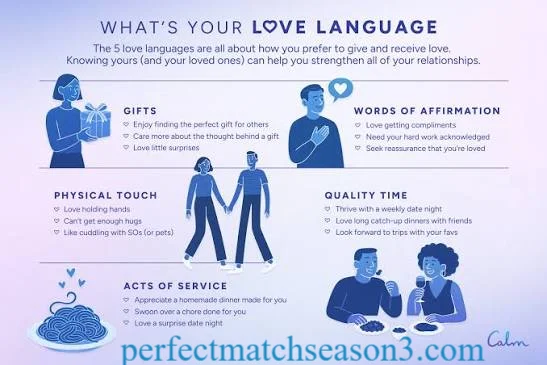
Popular frameworks such as Gary Chapman’s five love languages (words of affirmation, quality time, gifts, acts of service, and physical touch) can start useful conversations about expression. Studies haven’t clearly shown that matching love languages predicts relationship satisfaction, so treat it as a tool rather than a rule.
Quick Self-Check: Is This Real Love?
Answer yes or no:
- Do I feel calm and secure with this person more often than anxious?
- Can I disagree with them without fear?
- Do I trust them when they’re not around?
- Do they respect my boundaries?
- Do they support my goals?
- Can I be honest about my flaws?
- Do I want a good life for them, even beyond what benefits me?
- Do we repair after arguments?
- Do they show consistent care, not just in bursts?
- Am I proud of who I am in this relationship?
Mostly “yes” suggests a healthy foundation. Several “no” answers are worth exploring, ideally with them. Online quizzes are for reflection, not diagnosis.

Red Flags That Can Look Like Love
Intensity isn’t intimacy. Watch for:
- Love bombing: excessive flattery and commitment very early, followed by withdrawal or control
- Jealousy framed as devotion: monitoring, isolating you, or demanding passwords
- Hot-and-cold behavior: affection that arrives unpredictably
- Contempt: sarcasm, mockery, or eye-rolling during disagreements
- Pressure: guilt or anger when you set limits
If you feel unsafe, help exists. In the US, the National Domestic Violence Hotline is 1-800-799-7233. In the UK, Refuge’s National Domestic Abuse Helpline is 0808 2000 247.
How Does Love Develop and Last Over Time?
Love usually moves from intense early passion toward deeper attachment. That shift is normal, not a sign of failure. Gottman’s research suggests stable couples tend to have roughly five positive interactions for every negative one during conflict, which shows how much small, steady kindness matters.
Ways to strengthen a romantic relationship:
- Respond to small “bids.” A comment, a look, or a shared joke are attempts to connect. Turn toward them.
- Protect quality time. Regular, phone-free time matters more than long, rare getaways.
- Say appreciation out loud.
- Repair quickly after arguments.
- Keep learning each other. People change, and curiosity keeps closeness alive.
When Should You Consider Couples Therapy?
Consider it when the same conflicts repeat, communication has broken down, trust has been damaged, or one of you feels lonely inside the relationship. You don’t need to wait for a crisis. Approaches such as the Gottman Method and Emotionally Focused Therapy are widely used and aim to improve emotional connection. Look for a licensed therapist, such as a marriage and family therapist. If there is abuse or fear, individual support and safety planning come first.
Final Thoughts
True love is rarely dramatic. It looks like safety, respect, honesty, and effort on an ordinary Tuesday. If most of the signs above describe your relationship, you probably have something worth protecting. If they don’t, that’s useful information too, and you can raise it with your partner or a professional.
Frequently Asked Questions
What are the signs of true love in a man?
The signs are the same as in anyone. He’s consistent, respects your boundaries, supports your goals, communicates honestly, and follows his words with actions. Some men express love more through actions than words, so look at patterns over time rather than a single gesture.
What are the signs of true love in a relationship quiz?
A quiz can prompt useful reflection, but it can’t diagnose love. Use the self-check in this article: if you answer yes to most questions about safety, respect, trust, support, and repair, your relationship likely has a strong foundation. Several “no” answers are worth discussing with your partner or a therapist.
What are 20 signs of true love in a man?
Start with the 12 signs above, then add eight more: he remembers small details, introduces you to important people, includes you in future plans, shows vulnerability, adjusts plans without resentment, celebrates your wins, repairs after conflict, and treats other people respectfully.
What are the symptoms of true love in a girl?
There are no gender-specific symptoms. Common signs include thinking of you often, wanting to share news with you first, feeling relaxed and safe around you, making consistent effort, and accepting your flaws. As with anyone, judge by long-term behavior.
What are 12 signs of true love in a relationship?
The 12 signs are: emotional safety, respected boundaries, open communication, making time, supporting your growth, noticing small things, being yourself, matching actions and words, steady trust, respectful conflict, deep emotional intimacy, and mutual investment.
What are the physical signs of true love?
Common signs include a relaxed body, comfortable eye contact, easy physical affection, feeling calm in their presence, and missing them when apart. Nervousness, butterflies, and a racing heart can also occur, but they aren’t proof of love since anxiety and lust can feel similar.
What are 3 hidden signs a man is falling in love with you?
He remembers small details you mention in passing, he makes room for you in his plans and introduces you to important people, and he lets you see his vulnerable side. These quiet signs often appear before he says “I love you.”
What are 5 signs of true love in a man?
He is consistent, respects your boundaries, supports your goals, communicates openly, and his actions match his words. Consistency over time is the strongest indicator.
Author Bio: Hamid Ali is a writer who covers relationships, communication, and emotional wellbeing. He turns established psychology research into clear, practical guidance for everyday couples and singles.
Author Name: Hamid Ali
Email: johanharwen314@gmail.com
Also Read: