
Introduction
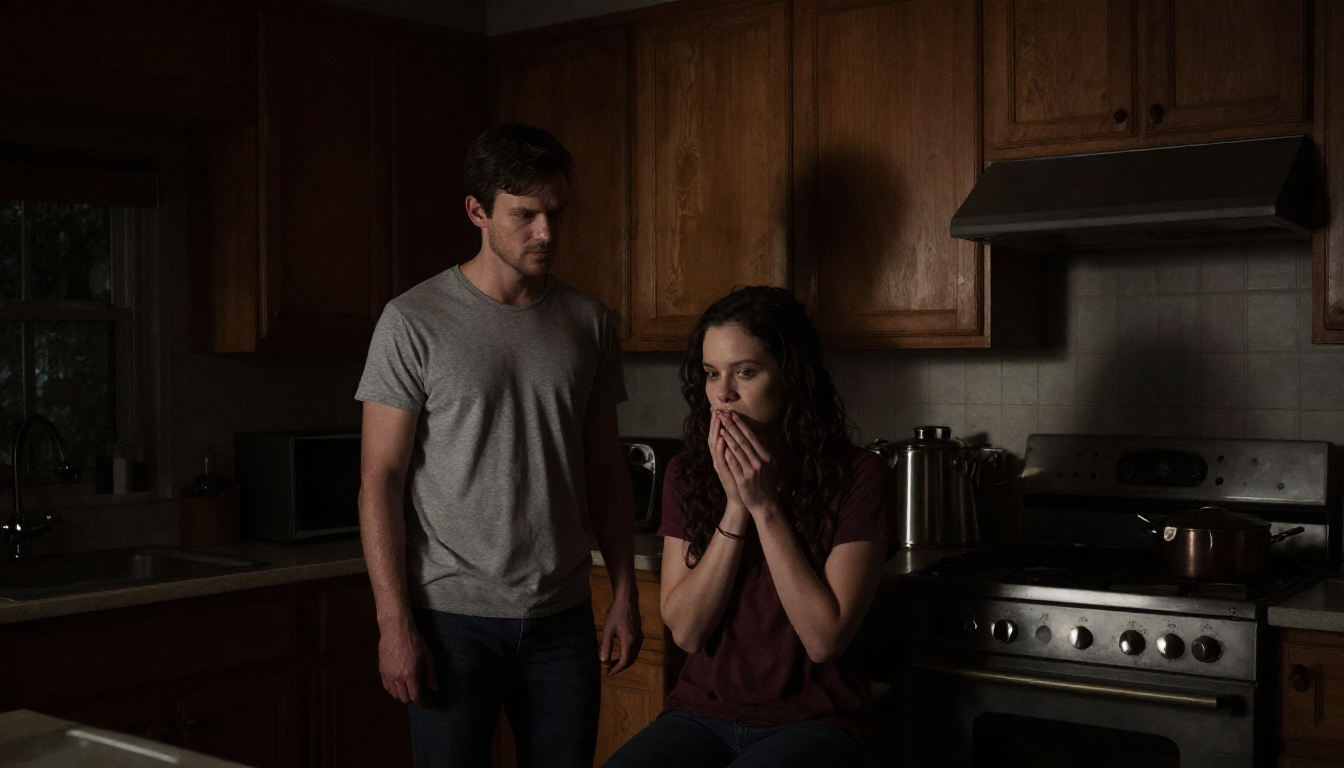
A Deadly American Marriage is a shocking story that reveals how love, trust, and relationships can sometimes hide a much darker reality. Behind what appeared to be a normal marriage was a disturbing chain of events filled with secrets, betrayal, and tragedy. This case captured public attention because it raised serious questions about relationships, warning signs, and the hidden struggles that can exist behind closed doors. In this article, we uncover the dark truth behind this deadly marriage, exploring the events, key details, and the reasons why it left people across America speechless.
What Does a Deadly American Marriage Actually Look Like?
Many people picture a deadly American marriage as one defined by obvious physical abuse. But that picture is incomplete. Most deadly marriages begin with patterns that seem, at first, almost normal.
It starts with small things. Jealousy framed as love. Isolation framed as togetherness. Control framed as protection. Over time, those small things compound. What began as a partner who wanted to know your location becomes a partner who controls your finances, your friendships, your identity.
Researchers at the Centers for Disease Control and Prevention (CDC) categorize intimate partner violence into four types:
- Physical violence: Hitting, pushing, choking, or any form of bodily harm.
- Sexual violence: Any non-consensual sexual act within the marriage.
- Psychological aggression: Threats, humiliation, coercion, and gaslighting.
- Stalking: Persistent monitoring, following, or harassment.
What makes a deadly American marriage particularly dangerous is the slow escalation. By the time violence becomes severe, the victim is often deeply isolated, financially dependent, and emotionally worn down.
The Alarming Statistics Behind Domestic Homicide in America
Numbers have a way of cutting through denial. When we talk about a deadly American marriage, we are talking about real, documented deaths. Here is what the research tells us.
- The Violence Policy Center reports that in a recent study year, 1,749 women in the United States were murdered by men. Of those, 93% knew their killer.
- Husbands or intimate partners accounted for the largest share of those murders.
- The CDC estimates that intimate partner violence costs the United States more than $3.6 trillion in lifetime economic costs, including medical care and lost productivity.
- Women between ages 18 and 34 experience the highest rates of intimate partner violence.
I find these numbers deeply disturbing. Not because they are abstract, but because they represent individual human beings who woke up one morning thinking they were safe in their own homes. A deadly American marriage is not a rare extreme. It is a pattern happening across every income level, every race, every region of the country.
Who Is Most at Risk?
Risk does not discriminate. But research does identify certain patterns. You are at higher risk if your partner has a history of violence, substance abuse problems, access to firearms, or extreme jealousy. Financial stress, pregnancy, and the act of trying to leave a marriage are also documented high-risk periods.
Critically, the most dangerous moment in a deadly American marriage is often when the victim decides to leave. Studies show that women are 70 times more likely to be killed in the two weeks after leaving than at any other point in the relationship. This is why safe exit planning matters enormously.
The Hidden Warning Signs You Might Be Ignoring
One of the most difficult parts of identifying a deadly American marriage is that warning signs are often dismissed early on. Friends and family say things like, “He really loves her” or “She just has a temper.” But certain behaviors, when they appear together in a pattern, are serious red flags.
Watch for these behavioral patterns in your partner or someone you know:
- Extreme jealousy disguised as deep affection or love.
- Controlling behavior such as monitoring your phone, finances, or whereabouts.
- Isolation from family and friends over time.
- Rapid escalation of the relationship, including pressure for commitment unusually early.
- Explosive anger, mood swings, and unpredictable emotional reactions.
- Minimizing, denying, or blaming you for their abusive behavior.
- Threats related to children, finances, or your immigration status.
If you recognize several of these in your relationship, please take it seriously. A deadly American marriage rarely announces itself loudly in the beginning. It whispers. Source : Time Magazine
Why Do People Stay in Dangerous Marriages?
One of the most common questions people ask is: why does someone stay in a dangerous marriage? The answer is never simple. And it is never the victim’s fault.
Staying is a complex survival decision influenced by:
- Fear: Victims know leaving is dangerous. The statistics support that fear.
- Financial dependence: Many victims have been cut off from economic resources.
- Children: Parents fear losing custody or fear for their children’s safety.
- Shame and stigma: Society still places blame on victims in many communities.
- Emotional bonds: Trauma bonding is a real psychological phenomenon.
- Hope: Many victims believe their partner will change, especially after apologies and temporary kindness.
Understanding these barriers is essential. If you know someone in what you suspect is a deadly American marriage, judging them for staying will not help. Offering consistent, non-pressuring support is far more powerful.

The Deadly Role of Firearms in American Marriages
In the United States, gun access dramatically increases the risk within an already dangerous marriage. Research from Everytown for Gun Safety found that in states with higher rates of gun ownership, women are five times more likely to be killed by an intimate partner who uses a firearm.
A deadly American marriage becomes exponentially more lethal when a firearm is in the home. The American Journal of Public Health published findings showing that the presence of a gun in a domestic violence situation increases the risk of homicide by 500 percent.
This is not a political statement. It is a safety statistic. If you or someone you know is in a volatile marriage where a partner has access to firearms, that factor must be part of any safety planning conversation.
How Cultural and Societal Factors Shape This Crisis
A deadly American marriage does not exist in a vacuum. It is shaped by culture, by power structures, and by what society has historically tolerated within the walls of a home.
For decades, law enforcement treated domestic disputes as private matters. Courts were reluctant to interfere in marriages. Victims were advised to “work it out.” Even today, implicit biases in law enforcement, legal systems, and medical institutions can mean that victims are not believed, not protected, or actively discouraged from seeking help.
Racial disparities are also stark. Black women, Indigenous women, and women from lower-income backgrounds face significantly higher rates of intimate partner homicide, compounded by systemic failures in the systems that are supposed to protect them.
We cannot talk about a deadly American marriage without talking about the society that enables it, the systems that fail to stop it, and the communities that sometimes look away.
Understanding the Cycle of Violence
Psychologist Lenore Walker developed the theory of the “Cycle of Violence” in the 1970s. It describes a recurring pattern in abusive relationships that makes them so hard to leave. The cycle includes four phases: tension building, incident, reconciliation (often called the “honeymoon phase”), and calm.
The reconciliation phase is particularly cruel. After an abusive incident, the abuser often becomes loving, apologetic, and affectionate. Gifts appear. Promises are made. This phase reinforces the victim’s hope that the person they married still exists. It keeps them in the cycle. And over time, that cycle can become a deadly American marriage.
What Can You Do? Practical Steps to Protect Yourself or Others
If you recognize any of the patterns described in this article, please take action. Here are concrete, practical steps you can take right now.
If You Are in a Dangerous Marriage
- Build a safety plan: Contact the National Domestic Violence Hotline at 1-800-799-7233. Trained advocates are available 24/7.
- Prepare a go-bag: Keep essentials (ID, medications, cash, important documents) somewhere safe or with a trusted person.
- Identify a safe contact: Choose one person outside the home who knows your situation.
- Document the abuse: Keep records of incidents privately, including dates, descriptions, and photos of injuries when safe to do so.
- Seek legal protection: A domestic violence attorney can help you understand restraining orders and custody options.
If You Suspect Someone You Know Is in a Deadly Marriage
- Reach out regularly without pressure. Let them know you are there.
- Avoid ultimatums. Pushing someone to leave before they are ready can backfire.
- Help them access resources: Share the hotline number or local shelter information.
- Believe them: When someone finds the courage to speak, your belief can be life-saving.
Real Stories Behind the Numbers
Statistics only tell part of the story. Behind each number is a person with a life, a family, and a future that was taken from them. High-profile cases like the murders of Laci Peterson, Gabby Petito, and countless others whose names never made headlines remind us that a deadly American marriage can look completely ordinary from the outside.
These cases often share eerie similarities. Charm on the outside. Isolation behind the doors. A slow escalation that shocked friends who thought the couple seemed happy. If anything, these cases teach us that appearances are not safety guarantees.
I believe that talking about these stories openly, not for entertainment but for education, is how we start to change the culture around a deadly American marriage. Silence has never saved lives. Awareness has.
Resources and Where to Get Help Right Now
If you or someone you know is in danger, these resources are available 24 hours a day, 7 days a week:
- National Domestic Violence Hotline: 1-800-799-7233 or text START to 88788
- National Sexual Assault Hotline: 1-800-656-4673
- loveisrespect.org: A resource specifically for young people in abusive relationships.
- WomensLaw.org: Legal information and resources state-by-state.
Conclusion: Awareness Is the First Step to Safety
A deadly American marriage is one of the most preventable tragedies in this country. It does not begin with violence. It begins with patterns, power, and control. And it can end with awareness, action, and community support.
You now know what the warning signs look like. You know why victims stay, and why leaving requires careful planning. You know the role that firearms, culture, and systemic failures play in turning a troubled marriage into a deadly American marriage. Most importantly, you know that help exists.
No one deserves to live in fear inside their own home. Marriage is supposed to be a partnership built on respect. When it becomes a threat, that is not love. That is danger. And danger deserves a response.
Do you know someone who might be in a dangerous marriage? What is one step you can take this week to check in on them? Share this article with someone who needs to see it.
Frequently Asked Questions (FAQs)
1. What is meant by a deadly American marriage?
A deadly American marriage refers to a marital or intimate partner relationship in the United States that escalates into lethal domestic violence. It describes relationships where patterns of control, abuse, and danger ultimately result in serious injury or death.
2. How common is domestic homicide in the United States?
Intimate partner homicide is tragically common. The Violence Policy Center reports that in one recent year, over 1,700 women were killed by men, with the vast majority murdered by someone they knew, most often a current or former partner.
3. What are the early warning signs of a dangerous marriage?
Early warning signs include extreme jealousy, controlling behavior, rapid relationship escalation, isolation from friends and family, explosive anger, and minimizing or blaming you for their behavior. These patterns, when consistent, are serious red flags.
4. Why do victims stay in abusive or dangerous marriages?
Victims stay because of fear, financial dependence, concern for their children, trauma bonding, shame, and the very real danger that leaving can trigger. The decision to leave is complex and requires careful safety planning, not judgment from outsiders.
5. Does having a gun in the home make domestic violence more deadly?
Yes. Research published in the American Journal of Public Health found that firearm access increases the risk of homicide in domestic violence situations by 500 percent. This makes firearm access a critical safety factor in any dangerous marriage.
6. What should I do if I think a friend is in a deadly marriage?
Reach out without pressure or ultimatums. Let them know you are there. Share the National Domestic Violence Hotline number (1-800-799-7233). Believe them when they speak. Your consistent, non-judgmental presence can make a profound difference.
7. What is the cycle of violence in an abusive marriage?
The cycle of violence is a psychological pattern with four phases: tension building, an abusive incident, a reconciliation or honeymoon phase, and a period of calm. This cycle repeats and typically escalates in severity over time, making it harder for victims to leave.
8. When is the most dangerous time for someone leaving a deadly marriage?
Studies show the most dangerous moment is in the two weeks immediately after leaving. Victims are 70 times more likely to be killed during this period. This is why having a detailed safety plan before leaving is absolutely critical.
9. Are there resources specifically for men experiencing abuse in marriage?
Yes. While women are disproportionately affected, men also experience intimate partner violence. The National Domestic Violence Hotline serves all genders. The Mankind Initiative in the UK and the Stop Abuse for Everyone (SAFE) organization are additional resources specifically designed to support male victims.
10. How does a deadly American marriage affect children in the home?
Children who witness domestic violence suffer significant emotional, psychological, and developmental harm. The CDC identifies childhood exposure to intimate partner violence as an Adverse Childhood Experience (ACE) with long-term effects on mental health, relationships, and even physical health outcomes in adulthood.
Also Read In perfectmatchseason3.com
Email: johanharwen314@gmail.com
Author Name: Johan harwen
About the Author: Johan Harwen is a writer and researcher specializing in social issues, relationships, and public health. With over a decade of experience covering human behavior and societal trends, Johan has contributed to numerous publications focused on bringing awareness to issues that affect everyday families. He believes that honest, research-backed writing has the power to save lives and change perspectives. When he is not writing, Johan advocates for domestic violence awareness in his local community and mentors young journalists pursuing investigative reporting. His work is driven by one simple principle: the truth, told clearly, matters.