
Introduction
You have probably scrolled past colorful, aesthetic planners on Pinterest or Etsy and thought, “Someone actually makes money selling those?” The answer is yes, and many millennials are earning hundreds to thousands of dollars every month doing exactly that.
The millennial digital planner side hustle is one of the fastest-growing income streams in the creator economy. It sits at the sweet spot between digital products, productivity culture, and low-overhead entrepreneurship. You create a planner once, and it sells again and again with zero printing costs.
In this article, you will learn everything about this opportunity: who the key players are, what products they sell, how the money flows, who the competitors are, and where the market is heading. Whether you are a complete beginner or already selling digital products, this guide gives you a clear, practical picture.
Company Introduction: Who Is Building This Business?
The millennial digital planner side hustle is not tied to one company. It is a business model that thousands of independent creators, small studios, and digital product shops operate across the world.
The most recognized names in this space include shops on Etsy, sellers on Creative Market, and independent creators running their own Shopify or Gumroad stores. Some of the standout businesses include:
- Amanda Rach Lee – a content creator turned digital planner empire, with products used by millions of GoodNotes users globally.
- Papier – a premium digital and print stationery brand serving millennials who value design and functionality.
- The Digital Sisterhood – a community and shop that focuses on empowering women through planners and productivity tools.
- Planner Kate – one of the most well-known digital planning educators and sellers, blending community with commerce.
What makes these businesses stand out is their personal brand connection. Millennial buyers do not just purchase a planner. They buy into a productivity philosophy and an aesthetic identity. That emotional connection is what turns a $10 digital file into a loyal returning customer.
Services and Products: What Do Digital Planner Businesses Actually Sell?
The product catalog in this niche is broader than most people expect. A digital planner business rarely sells just one thing.
Core Digital Products
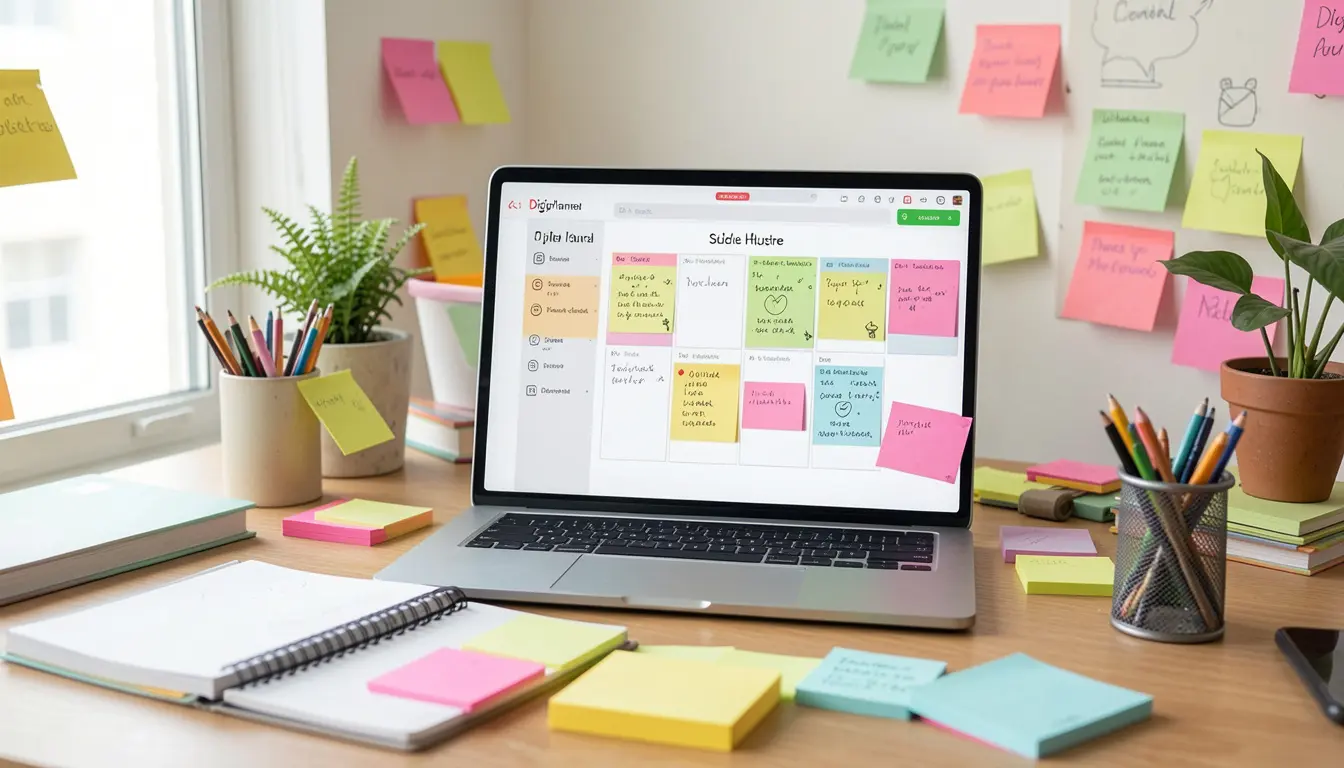
Digital Planners for GoodNotes and Notability These are the backbone of most businesses. You design a planner in PDF format with hyperlinked tabs so users can jump between sections on their iPad. These planners can be daily, weekly, monthly, annual, or themed.
Notion Templates Notion has exploded in popularity among millennials. Creators sell ready-made productivity dashboards, budget trackers, project managers, and goal-setting boards as Notion templates.
Canva Templates Social media content planners, business planners, and habit trackers built in Canva are popular because buyers can easily customize them without design skills.
Printable Planners Not everything is purely digital. Many millennial planner businesses sell printable PDFs that buyers download and print at home. These appeal to people who prefer writing by hand.
Sticker Packs and Add-ons Digital stickers for apps like GoodNotes are a popular upsell. A planner buyer naturally wants matching stickers to decorate their pages visit…..
Educational Products and Memberships
Many established sellers move beyond products into education:
- Online courses teaching others how to design and sell digital planners
- Monthly membership clubs offering new planner pages every month
- YouTube tutorials that build audience and drive product sales
- Digital planner communities on Discord or Facebook groups with paid access
This layered product approach is key. A business that only sells one planner has a ceiling. A business that sells planners, stickers, a course, and a membership subscription builds compounding income

Market Position: Where Does This Hustle Stand in 2025?
The digital products market is enormous and growing. According to Statista, the global e-learning and digital content market is projected to exceed $325 billion by 2025. Digital planners represent a significant slice of this growth, especially in the productivity and self-improvement segment.
Millennials, those born between 1981 and 1996, are the primary buyers and sellers in this market. They are digital natives who are comfortable with apps like GoodNotes, Notion, and Canva. They value aesthetic design, personalization, and tools that help them manage increasingly complex lives.
The side hustle angle also matters enormously. A 2023 Bankrate survey found that 39% of Americans have a side hustle. Among millennials, that number is significantly higher. Many chose digital products specifically because of low startup costs and the ability to earn passive income.
This market positions itself between:
- Productivity tools (competing with apps like Todoist or Notion itself)
- Stationery and lifestyle brands (competing with physical planner companies like Erin Condren or Passion Planner)
- Digital product e-commerce (operating on platforms like Etsy, Gumroad, or Shopify)
The unique strength of the millennial digital planner side hustle is that it combines all three categories without the overhead of physical inventory or app development.
Revenue Model: How Does This Side Hustle Actually Make Money?
Understanding the revenue model is critical before you invest time building products. This hustle has multiple income streams, and the most successful creators use several of them simultaneously.
1. Direct Product Sales (One-Time Purchase)
You list a digital planner on Etsy or your own website. A buyer pays once and downloads the file. This is the simplest model and the best starting point.
Typical pricing:
- Individual digital planners: $5 to $35
- Planner bundles: $20 to $75
- Sticker packs: $3 to $15
- Notion template packs: $15 to $60
2. Subscription and Membership Revenue
Some creators build monthly membership communities where subscribers receive new planner pages, stickers, or templates every month. This creates predictable, recurring revenue.
Platforms for memberships:
- Patreon
- Etsy subscriptions
- Podia
- Kajabi
A modest membership of 200 subscribers paying $9 per month generates $1,800 monthly in recurring income. That is a meaningful income layer.
3. Course and Digital Education Sales
Teaching others how to build their own digital planner side hustle is itself a highly profitable product. Courses in this niche typically sell for $97 to $497.
4. Affiliate Marketing
Many planner creators promote apps like GoodNotes, Notion, or Canva through affiliate programs. Every time a follower signs up through their link, they earn a commission.
5. YouTube Ad Revenue and Brand Deals
Creators who build YouTube audiences around digital planning earn ad revenue and attract brand sponsorships from companies selling iPads, Apple Pencils, desk accessories, or productivity apps.
Competitors: Who Are You Up Against?
The millennial digital planner side hustle space is competitive but not saturated. Here is an honest look at who you are competing with:
Large Platform Competitors
Etsy itself is both your distribution channel and a source of competition. Thousands of shops sell digital planners on Etsy. The top sellers have thousands of reviews and strong SEO-optimized listings. Breaking in requires a differentiated design, niche focus, or marketing strategy.
Creative Market hosts professional-grade design templates and planners. The buyers here tend to be more design-savvy and willing to pay higher prices.
Individual Creator Competitors
Amanda Rach Lee, Plan With Me channels on YouTube, Planner Kate, and similar creators have built enormous audiences. They have brand recognition, YouTube algorithms working in their favor, and thousands of existing product reviews.
App-Based Competitors
Apps like Notion, Todoist, ClickUp, and Obsidian technically compete for the same user’s time and organizational needs. However, these apps do not offer the visual, aesthetic experience that digital planners provide. Most heavy planner users actually use a planning app AND a digital planner together.
Physical Planner Brands Going Digital
Companies like Erin Condren, Passion Planner, and Blue Sky have started offering digital versions of their physical planners. They bring strong brand loyalty, but their digital products often feel less innovative than indie creator planners.
Your competitive advantage as a new entrant comes from niche specificity. A planner built for small business owners, homeschooling parents, nursing students, or content creators will outperform a generic “daily planner” every time visit…..
Future Plans: Where Is This Market Heading?
The trajectory for the millennial digital planner side hustle is genuinely exciting. Several trends are shaping where this market goes next.
AI-Assisted Planner Design
Creators are already using tools like Midjourney and Adobe Firefly to generate planner graphics, icons, and design elements faster than ever. This lowers the skill barrier and speeds up production. You do not need to be a professional graphic designer to create beautiful products anymore.
iPad and Tablet Market Growth
Apple continues to grow its iPad user base. As more people buy iPads for work and school, the audience for GoodNotes-compatible digital planners expands automatically. This market grows without creators needing to do anything extra.
Notion Template Economy Growth
The Notion creator ecosystem is maturing rapidly. Creators are building complex, automated Notion systems and selling them for premium prices. This is an underexplored corner of the market with significant upside.
Integrations with Productivity Apps
Future digital planners will likely integrate more deeply with calendar apps, habit trackers, and project management tools. Creators who can build planners with smart integrations will command premium pricing.
Community-Led Commerce
The future belongs to creators who build communities, not just product catalogs. Discord servers, private membership communities, and coaching programs built around digital planning will generate more revenue than standalone product sales.
Benefits: Why Should You Take This Side Hustle Seriously?
If you are on the fence about starting a millennial digital planner side hustle, here are the real, tangible benefits that make it worth your time and attention.
Low Startup Cost You can start with Canva (free), sell on Etsy ($0.20 listing fee), and earn money without investing in inventory, shipping, or a warehouse. Many successful sellers started with under $50 total.
Passive Income Potential You create a product once. It sells indefinitely. While no income is truly 100% passive, digital products come closer than almost any other business model.
Location Independence You can run this business from anywhere with a laptop and internet connection. It requires no physical store, no employees, and no office.
Scalability Adding more products multiplies your income without proportional increases in your workload. A shop with 50 listings earns dramatically more than a shop with 5 listings.
Creative Fulfillment If you enjoy design, organization, and productivity systems, this work aligns directly with what you already love doing. That makes it sustainable long-term.
Growing Demand Productivity culture is not going anywhere. As work becomes more complex and remote work becomes more common, people will always need tools to stay organized.
Community Building Opportunity A digital planner business is one of the most natural places to build an engaged, loyal audience. Planners attract organized, motivated people who become enthusiastic customers and advocates.
Conclusion
The millennial digital planner side hustle is not hype. It is a legitimate, scalable, and creative business model that works for thousands of people right now.
You have seen how the market is structured, who the major players are, what products actually sell, and how the money flows in this business. You also know who you will compete with and where the market is heading over the next few years.
The biggest mistake people make is waiting until they feel “ready.” You do not need a perfect product. You need a specific niche, a few well-designed planners, and a willingness to learn as you go.
So here is the question worth sitting with: if you could earn an extra $500 to $2,000 a month doing something creative that helps people stay organized, what is actually stopping you from starting?
Share this article with someone who needs a new income idea in 2025, and drop a comment below with the niche you would build your digital planner around.
Frequently Asked Questions
1. What is a digital planner side hustle? A digital planner side hustle means designing and selling digital planning products like PDF planners, Notion templates, and Canva dashboards through platforms like Etsy, Gumroad, or your own website.
2. How much money can you make selling digital planners? Income varies widely. Beginners might earn $100 to $500 per month, while established sellers with multiple products and strong marketing earn $3,000 to $10,000 or more monthly.
3. Do you need design skills to start? Basic design skills help, but tools like Canva make it accessible to anyone. Many successful sellers taught themselves design through free YouTube tutorials.
4. What platform is best for selling digital planners? Etsy is the most popular starting point because of its built-in audience. Gumroad is great for simplicity. Shopify or your own website gives you more control as you scale.
5. What apps are digital planners made for? Most digital planners are designed for GoodNotes 5, Notability, and Goodnotes 6. Notion templates and Canva templates are also popular format types.
6. How long does it take to make a digital planner? A simple planner can take 3 to 10 hours to design. Complex annual planners with hyperlinked tabs may take 20 to 40 hours.
7. Is the digital planner market too saturated? The general market is competitive, but niche-specific planners (for nurses, teachers, content creators, new moms) still have significant untapped demand.
8. Do you need a business license to sell digital planners? Requirements vary by country and state. In the US, most sole proprietors can start on Etsy without formal registration, but you should consult a local business advisor as you grow.
9. Can you sell digital planners as a full-time business? Yes. Many creators have transitioned from part-time side hustle to full-time digital product business after reaching consistent monthly revenue goals.
10. What is the best way to market digital planners? Pinterest and YouTube are the most effective organic traffic sources. Instagram Reels and TikTok also drive significant awareness. Etsy SEO is critical for platform-based discovery.
Read More…….
Sarah Linden is a digital product strategist and business writer with over seven years of experience covering e-commerce, creator economy trends, and side hustle growth strategies. She has helped hundreds of aspiring entrepreneurs launch digital product businesses from scratch. When she is not writing, Sarah designs productivity systems for small business owners and runs her own Etsy shop specializing in Notion templates.