Introduction
Have you ever wondered why homes feel unaffordable while one generation seems to hold most of the country’s money? That question sits at the heart of the baby boomer economic impact story. Baby boomers, the roughly 67 million Americans born between 1946 and 1964, now control more household wealth than any other generation in history. Their spending, saving, and retirement choices shape everything from housing prices to Social Security.
This article breaks down the baby boomer economic impact in plain language. You will see the latest numbers, learn how this generation reshaped housing and jobs, and understand what the coming wealth transfer means for your own finances. I have pulled data from Pew Research, the Federal Reserve, and recent 2026 reports so you get a clear, current picture instead of outdated guesses.
What Is the Baby Boomer Economic Impact?
The baby boomer economic impact refers to how this large generation influences national wealth, consumer spending, housing demand, labor markets, and government programs like Medicare and Social Security. Because boomers are so numerous and now hold most of the country’s assets, their financial behavior moves entire markets.
In simple terms, when boomers buy, sell, retire, or pass on their wealth, the whole economy feels it. That is the direct answer, and the rest of this article shows you exactly how.
Baby Boomer Wealth by the Numbers
Numbers tell this story better than opinions. Here is a quick snapshot of where things stand in 2026.
| Metric | Figure |
|---|---|
| Share of U.S. population | About 20 percent |
| Share of total U.S. household wealth | Around 51 to 52 percent |
| Estimated total boomer wealth | Roughly 78 to 90 trillion dollars |
| Median net worth per household (2022 data) | About 364,270 dollars |
| Share of corporate equities and mutual funds held | More than half |
| Wealth to population ratio | Roughly 2.6 to 1 |
You can see the gap right away. Boomers make up one fifth of the population yet hold more than half the wealth. That single fact explains most of the baby boomer economic impact debate happening today.
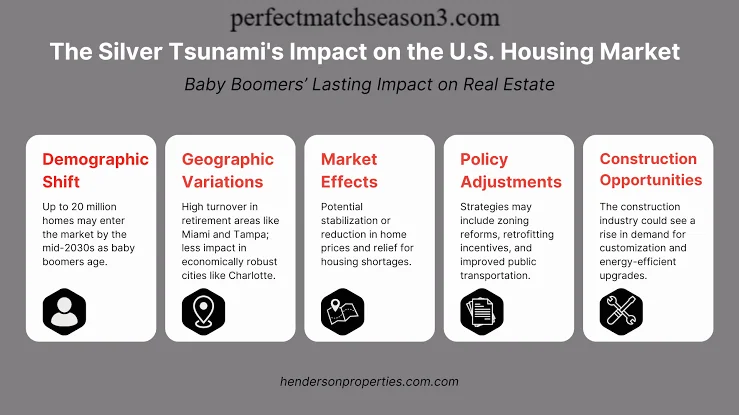
How Baby Boomers Are Reshaping Housing Markets
Boomers own a huge share of American real estate, often mortgage free. Many bought their homes decades ago when prices were far lower relative to income.
This creates a few ripple effects you have probably noticed yourself.
- Fewer homes reach the market because boomers are staying put longer
- Younger buyers compete for a shrinking supply of starter homes
- Home equity gives boomers extra spending power that younger generations lack
- Some boomers are downsizing, which slowly frees up larger family homes
I think this is one of the clearest examples of the baby boomer economic impact in everyday life. If you have tried buying a house recently, you have felt this pressure firsthand.
The Great Wealth Transfer and Its Economic Impact
Over the next two decades, boomers are expected to pass down a historic amount of money. Analysts at Cerulli Associates estimate total transfers between 2024 and 2048 could reach around 124 trillion dollars, with boomers alone accounting for roughly 79 trillion of that figure.
Here is how that money is expected to flow.
- Millennials are projected to receive close to 46 trillion dollars
- Generation X could receive around 39 trillion dollars
- Generation Z stands to receive about 15 trillion dollars
- Charities may receive close to 18 trillion dollars by 2048
This transfer will not happen overnight. It will unfold slowly through inheritances, gifts, and estate planning over many years. Still, it represents one of the largest shifts in the baby boomer economic impact story and will reshape wealth distribution for decades.
Baby Boomers and the Labor Market
Boomers are retiring later than earlier generations did. Rising healthcare costs, inflation, and longer life spans push many to keep working past traditional retirement age.
This trend affects the job market in a few clear ways.
- Fewer senior positions open up for younger workers
- Companies retain experienced knowledge longer, which helps productivity
- Labor shortages in some sectors ease slightly because boomers stay employed
- Younger workers sometimes feel stuck waiting for promotions
You might have noticed this in your own workplace if leadership roles seem slow to change hands. That delay is a direct piece of the baby boomer economic impact on careers today.
Healthcare and Social Security Strain
As boomers age, Medicare and Social Security face growing pressure. Right now, roughly 34 seniors depend on every 100 workers. Within thirty years, that ratio could climb to around 50 seniors per 100 workers.
Fewer workers supporting more retirees creates real strain on these programs. Lawmakers are already discussing adjustments to taxes, benefits, and retirement age to keep these systems funded. This is arguably the most pressing negative side of the baby boomer economic impact, since it touches every taxpayer, not just boomers themselves.
Expert Opinion on the Boomer Wealth Boom
Market veteran Ed Yardeni recently argued that the usual K shaped economy explanation misses the bigger picture. He suggests the real divide is generational, with boomers holding onto wealth while younger generations struggle to build any. Yardeni also noted that boomers simply cannot spend all their wealth, meaning much of it will eventually flow down to younger family members.
This expert view supports what the data already shows. The baby boomer economic impact is not just about numbers on a chart. It shapes real decisions about spending, saving, and passing on assets across families nationwide.
The Positive Side: Consumer Spending Power
It is not all tension and strain. Boomers remain one of the most powerful consumer groups in the economy.
- They spend heavily on healthcare, travel, and home improvement
- Many support adult children financially, which boosts household spending elsewhere
- Their investment activity keeps stock markets and mutual funds active
- Their charitable giving supports nonprofits and community programs
This spending power is a genuine bright spot within the broader baby boomer economic impact picture. Businesses that serve older consumers continue to see strong demand.
The Negative Side: A Widening Generational Wealth Gap
On the flip side, younger generations face real disadvantages. Millennials hold only about 10 to 11 percent of national wealth despite having a similar population size to boomers. Rising home prices, student debt, and slower wage growth all make it harder to catch up.
Education level also plays a role. Boomers without a bachelor’s degree often hold less wealth than earlier generations at the same age, showing that the wealth boom was not shared equally across the entire generation.
What This Means for You
Whether you are a boomer planning retirement or a younger reader watching prices climb, the baby boomer economic impact touches your daily life. If you are a boomer, thinking carefully about estate planning can help your wealth transfer smoothly to your family. If you are younger, understanding this shift can help you plan for potential inheritances while also building your own independent financial base.
I always tell people not to wait passively for a future inheritance. Build your own savings habits now, because timing and family circumstances vary widely.
Conclusion
The baby boomer economic impact is one of the defining economic stories of our time. This generation holds more than half the nation’s wealth, drives major shifts in housing and labor markets, and is on the verge of transferring trillions of dollars to younger generations. That shift brings both opportunity and real strain on programs like Social Security and Medicare.
Understanding the baby boomer economic impact helps you make smarter decisions, whether you are planning your own retirement or navigating a tough housing market as a younger buyer. What part of this shift affects your life the most? Share your thoughts, and pass this article along to anyone trying to make sense of today’s economy.
Frequently Asked Questions
What is the baby boomer economic impact in simple terms? It refers to how baby boomers, who hold over half of U.S. household wealth, influence housing prices, job markets, government programs, and consumer spending nationwide.
How much wealth do baby boomers control? Estimates place total boomer wealth somewhere between 78 and 90 trillion dollars, depending on the measurement date and data source used.
Why do baby boomers own so much wealth? Boomers benefited from lower home prices, strong wage growth during their working years, and decades of stock market gains, allowing wealth to compound over time.
How will the wealth transfer affect younger generations? Trillions of dollars are expected to pass to millennials, Generation X, and Generation Z through inheritances between now and 2048, though the process will unfold gradually.
Does the baby boomer economic impact affect housing prices? Yes. Boomers own a large share of real estate and often stay in their homes longer, which limits housing supply and keeps prices elevated for younger buyers.
Are all baby boomers equally wealthy? No. Wealth within the generation is concentrated among a small share of households, and boomers without a college degree often hold less wealth than similarly educated older adults from earlier generations.
How does the baby boomer economic impact affect Social Security? As more boomers retire, fewer workers support each retiree, straining Social Security and Medicare funding and prompting policy debates about future reforms.
Will millennials benefit from the baby boomer wealth transfer? Many will, but the timing depends on family circumstances, life expectancy, and how much wealth is directed toward charity versus direct inheritance.
perfectmatchseason3.com
Email: johanharwen314@gmail.com
Author Name: Hamid Ali
About the Author: Hamid Ali is a finance and economics writer who covers wealth trends, retirement planning, and generational money shifts. He breaks down complex economic data into clear, practical insights for everyday readers.