
Introduction
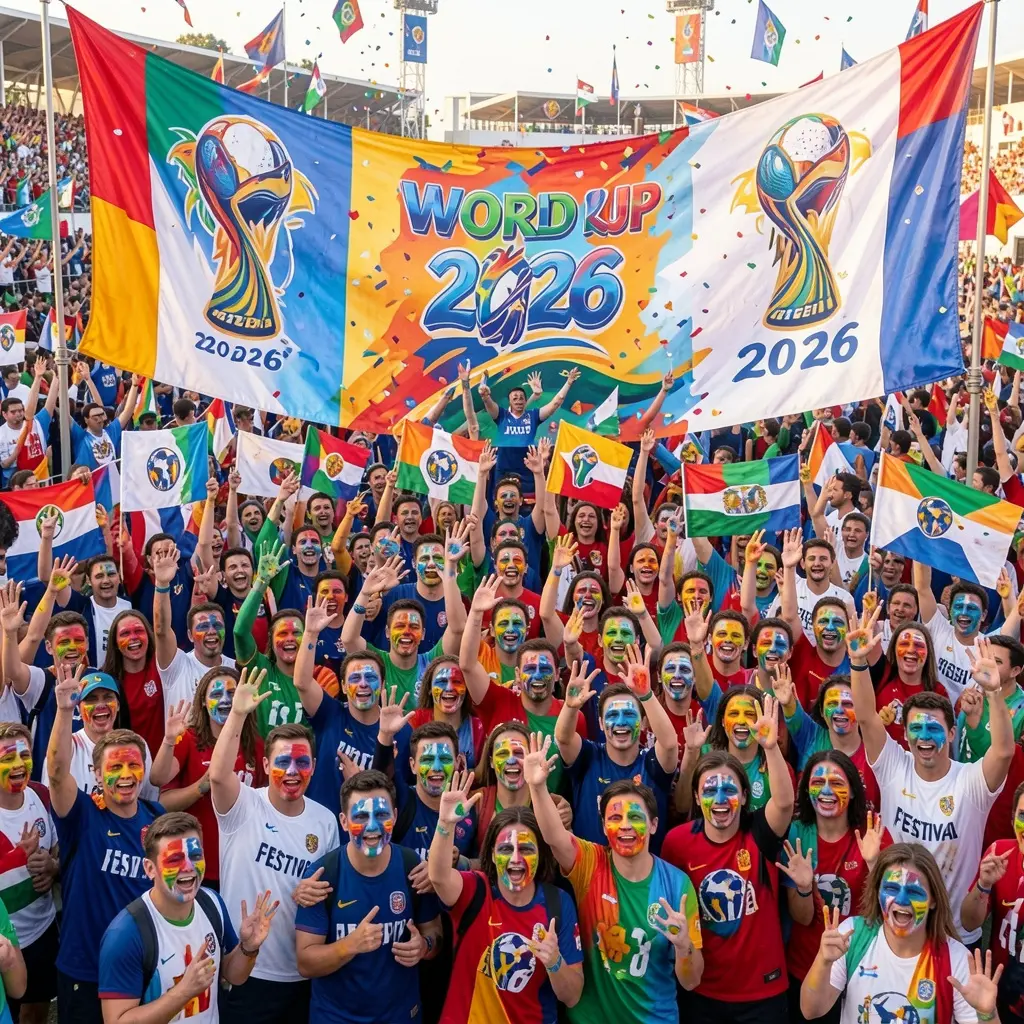
You have probably seen the headlines by now. Stadiums selling out in minutes. Flights booked a year in advance. Entire cities turning into temporary football capitals. World Cup 2026 fan support by country has become one of the most talked about stories of this tournament, and the numbers behind it are genuinely staggering.
This is not just another World Cup. It is the first ever 48 team edition, spread across 16 host cities in the United States, Canada, and Mexico. With more teams than ever before, fan support has exploded in ways FIFA itself did not fully predict. This article breaks down exactly how World Cup 2026 fan support by country looks right now, which nations are leading the charge, what is driving the numbers, and what it means for the cities hosting this historic tournament.
Why World Cup 2026 Fan Support By Country Is Breaking Records
Let’s start with the scale of this thing. The 2026 tournament features 48 qualifying nations, up from the 32 teams fans were used to for the past seven editions. That alone changes everything about how fan support gets distributed.
More teams mean more countries with a direct emotional stake in the tournament. More countries mean more fans traveling, more flags in the stands, and more cities hosting matches that matter to people back home. According to FIFA, the demand has already shattered every previous record in the competition’s history.
Here is just how big the numbers got.
- Over 150 million ticket requests came in during just the first 15 days of one sales phase.
- That made the tournament oversubscribed more than 30 times over.
- FIFA later confirmed requests had crossed the 500 million mark.
- For comparison, FIFA sold roughly 44 million tickets across nearly 100 years of World Cup history before this tournament even began.
These figures show that World Cup 2026 fan support by country is not a regional story. It is a truly global one.
Which Countries Are Showing the Strongest Fan Support?
When you look at ticket requests and travel data, certain countries stand out clearly. Some of this comes down to qualifying success. Some of it comes down to passionate fanbases who travel no matter what.
Host Nations Lead the Way
It makes sense that the United States, Mexico, and Canada top the list for ticket purchases. As host nations, they automatically qualified, and their fans have the easiest access to matches. Local fans do not need flights or visas, which naturally inflates their numbers compared to international supporters.
Europe Shows Up in Force
Germany, England, and Spain consistently rank among the top countries outside the host nations for ticket requests. English and Scottish fans in particular have driven massive spikes in travel searches to cities like Boston. One report noted that English and Scottish fans together made up 65 percent of all searches to Boston on a major travel platform, with interest in the city jumping by 1000 percent after the draw.
South America Brings the Passion
Brazil, Argentina, and Colombia have shown extraordinary demand throughout the ticketing process. Colombia in particular stood out, with the Colombia versus Portugal group stage match in Miami becoming one of the most requested fixtures in the entire tournament. This level of South American demand is one of the clearest signals of just how strong World Cup 2026 fan support by country has become in this region.
Smaller Nations Punch Above Their Weight
Scotland deserves a special mention here. After 28 years away from the World Cup stage, Scottish fans returned with enormous enthusiasm. Their searches for Scotland’s opening match against Haiti in Boston reportedly hit ten times the volume of England fans searching for their own opening match in the same city. That kind of loyalty after such a long absence says a lot about what this tournament means to certain fanbases.
How Ticket Demand Reflects Fan Support By Country
Ticket sales tell a powerful story about World Cup 2026 fan support by country, but they are not the only signal. Travel searches, hotel bookings, and social media activity all paint a fuller picture.
Top Countries by Ticket Requests Outside the Hosts
Based on FIFA’s reporting across different sales phases, these countries consistently appeared near the top of the list.
- Germany
- England
- Brazil
- Spain
- Portugal
- Argentina
- Colombia
- Ecuador
- Scotland
- France
I find it interesting that this list blends traditional football powerhouses with nations experiencing a real resurgence in fan energy, like Scotland and Ecuador. It shows that World Cup 2026 fan support by country is not only about which nations have historically dominated the sport.
Travel and Hotel Trends by Country
Travel data adds another layer to the story. Japanese fans, for example, drove a large share of the search surge to Dallas, accounting for roughly a third of all travel searches to that city. This lines up with Japan’s opening match against the Netherlands in Dallas, a fixture that clearly captured attention back home.
Mexico City and Monterrey emerged as the best value host cities overall, while San Francisco ranked as the most affordable option among United States host cities. These details matter because they show how fan support by country is shaped not just by passion, but by practical travel decisions too.
Fan Zones and the Local Atmosphere
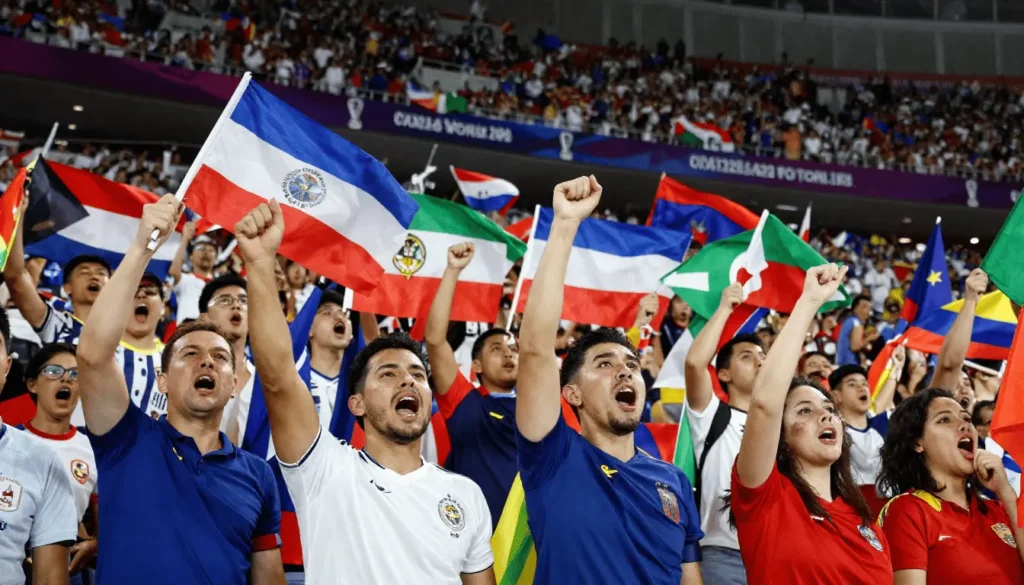
World Cup 2026 fan support by country is not limited to the stadiums. FIFA Fan Festivals, often simply called fan zones, are running across all 16 host cities for the entire 39 day span of the tournament. These spaces give fans without match tickets a real way to be part of the experience.
Here is what fan zones typically offer.
- Free or low cost entry for public viewing
- Big screen broadcasts of every match
- Food, music, and cultural celebrations tied to competing nations
- A social atmosphere that blends fans from multiple countries in one space
Some cities have leaned heavily into this format. Los Angeles, for example, combined one flagship FIFA site with ten additional official fan zones spread across the region. The San Francisco Bay Area built out more than thirty venue partners for its fan experience. New York New Jersey added a Queens Fan Zone and a Rockefeller Center Fan Village alongside its main festival site.
This kind of infrastructure matters because it extends World Cup 2026 fan support by country well beyond the people who managed to secure stadium tickets.
Challenges Affecting Fan Support By Country
It would not be a complete picture without acknowledging the obstacles. World Cup 2026 fan support by country has faced real challenges this cycle, and some fans have voiced genuine concern.
Ticket Prices
FIFA introduced a new tiered pricing system, with some premium tickets priced as high as several thousand dollars. In response to criticism, FIFA created a Supporter Entry Tier priced at 60 dollars per ticket, distributed through national football associations to fans who supported their teams in earlier qualifying matches. This tier helps make attendance possible for fans who otherwise could not afford the steep prices at the top end.
Travel and Entry Concerns
Some international fans have expressed hesitation about traveling to certain host countries due to broader geopolitical tensions during the lead up to the tournament. One German fan publicly shared concerns about entry difficulties and opted to fly into Canada rather than risk complications elsewhere. These concerns show that fan support by country can be influenced by factors well outside football itself.
Logistics Across Three Countries
Hosting matches across the United States, Mexico, and Canada means fans following their team through the tournament may need multiple visas, multiple flights, and careful planning around time zones. This adds complexity that previous single country World Cups did not require.
What This Means for Host Cities
Strong fan support by country translates directly into economic and cultural impact for host cities. Cities with the most in demand matchups are seeing massive spikes in hotel bookings, restaurant traffic, and local tourism.
Boston, Dallas, Miami, and Los Angeles have all reported significant increases in travel interest tied directly to specific national fanbases. This pattern repeats itself across the tournament map, with each host city effectively becoming a temporary embassy for whichever countries are playing there that week.
For local economies, this represents one of the biggest tourism windows in recent memory. For fans, it means immersing themselves not just in football, but in the culture of supporters from dozens of different nations sharing the same streets, bars, and fan zones.
Frequently Asked Questions
1. Which country has the most World Cup 2026 ticket requests?
Outside the three host nations, Germany, England, and Brazil have consistently ranked among the top countries by ticket request volume throughout the various sales phases.
2. How many countries are participating in the 2026 World Cup?
The 2026 World Cup features 48 qualifying nations, the largest field in tournament history, up from 32 teams in previous editions.
3. Why is World Cup 2026 fan support by country so much higher than past tournaments?
The expanded 48 team format, combined with hosting across three countries and 16 cities, has created far more access points and emotional stakes for a wider range of nations, driving unprecedented demand.
4. Are there affordable ticket options for fans?
Yes. FIFA introduced a Supporter Entry Tier priced at 60 dollars per ticket, distributed through national football associations to supporters of qualifying teams.
5. What are FIFA Fan Festivals?
FIFA Fan Festivals, also called fan zones, are official public viewing areas set up in all 16 host cities where fans without match tickets can watch games for free or low cost.
6. Which host cities are seeing the strongest fan turnout from specific countries?
Boston has seen heavy interest from English and Scottish fans. Dallas has drawn strong demand from Japanese fans. Miami has become a major destination for South American supporters, especially around the Colombia versus Portugal match.
7. How long do World Cup 2026 fan zones run?
Official fan zones operate across the full 39 day span of the tournament, from June 11 through July 19, 2026.
8. Is World Cup 2026 fan support by country affected by global events?
Yes. Some fans have cited geopolitical tensions and entry concerns as factors influencing their travel decisions, particularly regarding certain host country entry points.
9. Which host cities offer the best value for traveling fans?
Mexico City and Monterrey have been named the best value host cities overall, while San Francisco ranks as the most affordable option among United States host cities.
10. How does fan support by country affect host city economies?
Strong fan support drives major increases in hotel bookings, tourism spending, and local business activity, with cities hosting high demand matches seeing the largest economic boosts.
Final Thoughts
World Cup 2026 fan support by country tells a story far bigger than football scores and ticket sales. It reflects genuine passion from fans across more than 200 countries, record breaking demand that has stunned even FIFA officials, and a level of global participation never seen before in the tournament’s history. From host nations leading the charge to smaller nations like Scotland showing up with overwhelming enthusiasm after decades away, this tournament is proving that the World Cup still holds a unique grip on the world’s attention.
As the matches continue across all 16 host cities, expect these numbers to keep climbing, and expect fan zones to stay packed with supporters wearing every color imaginable. Which country’s fan support has impressed you the most so far? Share this article with a fellow football fan, and keep following the tournament as the story of World Cup 2026 fan support by country continues to unfold.
Also Read In perfectmatchseason3.com
Email: johanharwen314@gmail.com
Author Name: Hamid Ali
About the Author: Hamid Ali is a sports writer who covers major global tournaments, fan culture, and the stories behind the numbers in international football. He enjoys breaking down complex tournament data into clear, engaging coverage that helps readers understand the bigger picture beyond the scoreline. Hamid has a particular interest in how fan passion shapes the travel and economic impact of sporting events.